

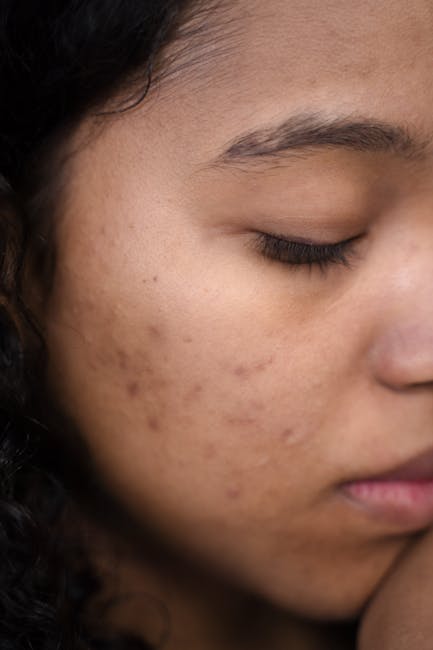
Acne is one of the most common skin concerns not only in Rochester, NY but around the world. Despite advances in dermatologic science, myths and misconceptions about acne persist—often leading to unnecessary frustration and ineffective treatments. Whether you’re battling teenage breakouts or dealing with adult-onset acne, understanding what’s true and what’s false is key to effective management. Let’s debunk some of the most prevalent acne myths, while considering the unique lifestyle factors here in Rochester.
Myth 1: Acne Only Affects Teenagers
While the image of a teenager with acne is common, the truth is that acne can impact individuals at any age. Adult acne, especially among women in their 20s, 30s, and even beyond, is increasingly recognized.
-
-
- In Rochester’s changing climate, factors like cold, dry winters and humid summers can influence the skin’s oil production at any age.
- Hormonal changes, stress (often heightened during exam seasons for students or busy work periods for adults), and even local diet preferences can all contribute.
-
Myth 2: Poor Hygiene Causes Acne
Many believe that acne is the result of not keeping the skin clean, but this is a misconception. In fact, over-washing or scrubbing the skin harshly can actually worsen breakouts.
-
-
- The real culprits are excess oil production, clogged pores, bacteria, and inflammation.
- In Rochester, with lake-effect weather changes, skin can swing between dry and oily—finding a gentle, non-stripping cleanser is essential.
-
Myth 3: Eating Greasy Foods Causes Breakouts
We’ve all heard that French fries or pizza can trigger acne. While there is some connection between diet and skin health, greasy foods themselves aren’t directly responsible for breakouts.
-
-
- Newer studies suggest that high-glycemic foods and excessive dairy may have a greater impact on acne for some people.
- Rochester’s love for comfort food is no secret—enjoying local plates is fine, but balance is key for overall skin health.
-
Myth 4: Tanning Clears Up Acne
When summer arrives in upstate New York, the temptation to soak up the sun can be strong. Some people believe that tanning or sunbathing dries out pimples.
-
-
- While sun exposure may temporarily camouflage redness, UV damage actually leads to premature aging, increased risk of skin cancer, and sometimes worsened acne and pigmentation problems.
- Opt for non-comedogenic sunscreen and seek shade when outdoors—summer at Lake Ontario can still be enjoyed safely!
-
Myth 5: Acne Will Go Away on Its Own
It’s a common belief that acne should simply be left alone and it will eventually disappear. Unfortunately, for many in Rochester and beyond, untreated acne can persist for years and cause lasting scarring.
-
-
- Early intervention is important, especially for moderate to severe cases.
- Consider seeing a dermatologist if acne isn’t responding to over-the-counter products.
-
Myth 6: Only Topical Products Work for Acne
Many assume that only creams and gels applied to the skin will help, but the reality is more complex. For some, topical treatments may not be enough.
-
-
- Oral medications like antibiotics, birth control pills for hormonal acne, or isotretinoin may be considered in more stubborn cases.
- Rochester’s chilly winters can make some topical treatments more irritating—your doctor can help customize a regimen based on the season.
-
Myth 7: You Should Pop Pimples to Help Them Heal
The urge to squeeze or pop a pimple is universal, but this is a dangerous habit.
-
-
- Popping pimples increases the risk of infection, worsens inflammation, and can lead to permanent scarring.
- Instead, use spot treatments or consult with a dermatologist for safe extractions if necessary.
-
Myth 8: Natural or DIY Remedies Are Always Safe
-
- DIY treatments can cause irritation, allergic reactions, or even chemical burns.
- In Rochester, where winter dryness is infamous, avoid harsh treatments that strip moisture from skin.
Myth 9: Acne Is Just a Cosmetic Issue
-
- Anxiety, depression, and social withdrawal are real consequences for many living with persistent breakouts.
- Support is available—dermatologists, counselors, and support groups can all help.
Acne and Rochester’s Local Lifestyle
-
- Drying heaters in winter and sweat during summer activities mean adapting your skincare regimen.
- Choose gentle cleansers and moisturizers in winter, and switch to oil-control products in humid weather.
- After outdoor activities, like hiking or biking, always cleanse skin to remove sweat and pollutants.
When to See a Dermatologist
-
- A Rochester-based board-certified dermatologist understands local environmental factors and can tailor your treatment plan effectively.
- Treatments may include prescription medications, chemical peels, laser therapy, or advice on safe skincare routines for our local climate.
Final Thoughts
Acne is a complex condition with many myths clouding effective care. Understanding the facts—and how Rochester’s unique lifestyle and climate can influence your skin—is the first step toward clearer skin. Don’t let misinformation keep you from feeling confident; evidence-based solutions are available, and you’re not alone on this journey.


